
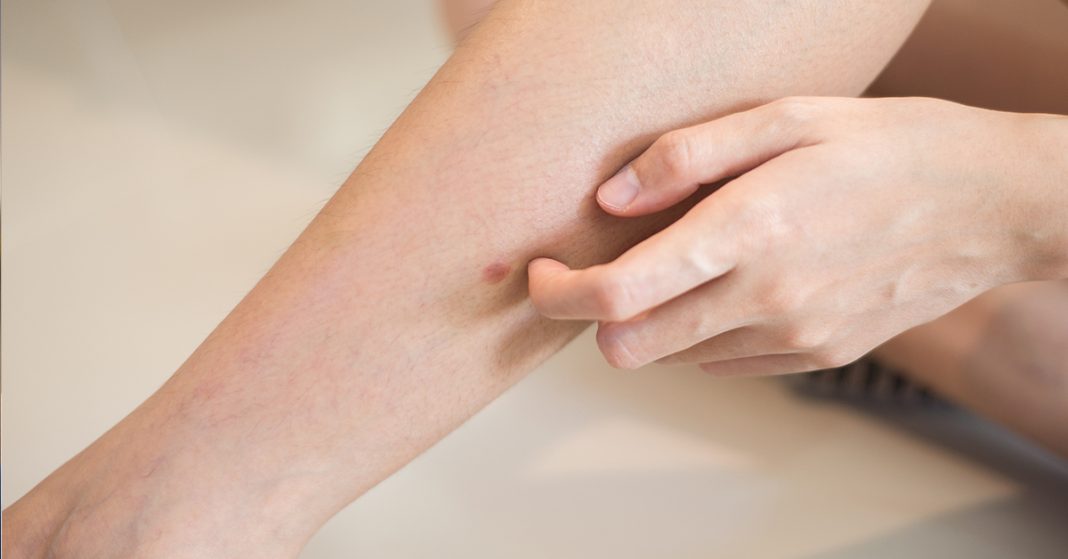
Itching is something almost everyone experiences from time to time. In many cases, the cause is harmless — dry skin, a change in weather, a new soap, or exposure to something that irritates the skin.
But when itching keeps coming back, lasts for weeks, or appears together with other unusual symptoms, it may be worth paying closer attention.
Where the itching occurs — and what other symptoms appear with it — can sometimes offer clues about what may be causing the discomfort.
Why Does Your Skin Itch?
Dry skin is one of the most common causes of itching, especially during colder months when humidity levels drop. Long, hot showers, frequent washing, harsh soaps, and household cleaning products can also strip away the skin’s natural protective oils.
When the skin barrier becomes dry or irritated, the skin may feel tight, flaky, sensitive, or itchy.
Environmental factors can also play a role. Sun exposure, cold weather, wind, fragrances, cosmetics, laundry detergents, and certain personal-care products may trigger irritation in sensitive individuals.
Allergies are another common possibility. Pollen, dust, pet dander, and other allergens can cause itching, sometimes accompanied by redness, watery eyes, sneezing, or a rash.
While occasional itching is usually nothing to worry about, persistent or unexplained itching deserves more attention.
Itchy Eyes
Itchy eyes are frequently associated with allergies. Pollen, dust, mold, and pet dander can trigger an allergic response that leaves the eyes itchy, watery, or irritated.
Dry eyes may cause similar symptoms. Contact lenses, extended screen time, dry indoor air, and certain environmental conditions can make the discomfort worse.
However, itching accompanied by yellowing of the whites of the eyes or the skin should not simply be dismissed as irritation. Yellowing, known as jaundice, can be associated with problems involving the liver or bile ducts and should be evaluated by a healthcare professional.
Itchy Nose and Sinuses
An itchy nose is another common symptom of allergies, particularly seasonal allergic rhinitis.
Dry air can irritate the nasal passages as well, leading to itching or discomfort even when allergies aren’t the cause.
Pay attention to additional symptoms. Persistent facial pressure, significant changes in your sense of smell, or other ongoing sinus symptoms may warrant a conversation with a healthcare provider.
Conditions such as sinus inflammation or nasal polyps can sometimes cause persistent symptoms and may require medical evaluation.
Itching in the Intimate Area
Itching around the genital area can have many possible causes, ranging from simple irritation to infections.
New soaps, scented personal-care products, laundry products, hormonal changes, moisture, and friction can all contribute to irritation.
Infections are another possibility. For example, yeast infections can cause significant itching and discomfort. Other vaginal conditions, including bacterial vaginosis, may cause changes in discharge or odor and should be properly evaluated rather than self-diagnosed based on itching alone.
If genital itching is persistent or accompanied by unusual discharge, odor, sores, pain, burning, or other noticeable changes, consider speaking with a doctor, gynecologist, or other qualified healthcare professional.

When Should You Be Concerned About Itching?
Most temporary itching improves once the irritant is removed or the skin is properly moisturized.
But certain situations deserve medical attention.
Consider contacting a healthcare professional if itching:
• lasts for more than a couple of weeks
• repeatedly returns in the same area
• is severe enough to interfere with sleep or daily activities
• affects much of your body without an obvious explanation
• appears with a persistent or changing rash
• occurs along with fever or unexplained weight loss
• is accompanied by yellowing of the skin or eyes
• comes with other unusual or worsening symptoms
Persistent itching doesn’t automatically mean something serious is wrong. However, itching can sometimes be associated with skin conditions, allergies, infections, medications, or underlying medical conditions.
What Can Help With Mild Itching?
When the cause appears to be simple dryness or irritation, basic skin-care changes may provide relief.
Try taking shorter, lukewarm showers instead of very hot ones. Use gentle, fragrance-free cleansers and apply moisturizer soon after bathing while the skin is still slightly damp.
It may also help to avoid newly introduced soaps, detergents, fragrances, or cosmetics if symptoms began shortly after using them.
Resist excessive scratching whenever possible. Scratching can further damage irritated skin and may make the itching worse.
Treatment for persistent itching depends on the underlying cause. A healthcare professional may recommend specific creams, allergy medications, or other treatments after determining what’s causing the symptoms.
The Bottom Line
An occasional itch is usually just that — an itch.
Dry skin, allergies, weather changes, soaps, detergents, and other everyday irritants are among the many possible explanations.
The situation becomes more important when itching doesn’t go away, repeatedly returns, becomes severe, or appears alongside other symptoms.
Instead of focusing only on stopping the itch, pay attention to where it occurs, how long it lasts, and whether anything else has changed.
Your body may simply be reacting to dry skin or an irritant — but persistent symptoms are worth discussing with a healthcare professional.
This article is for general informational purposes only and is not a substitute for professional medical advice, diagnosis, or treatment.