
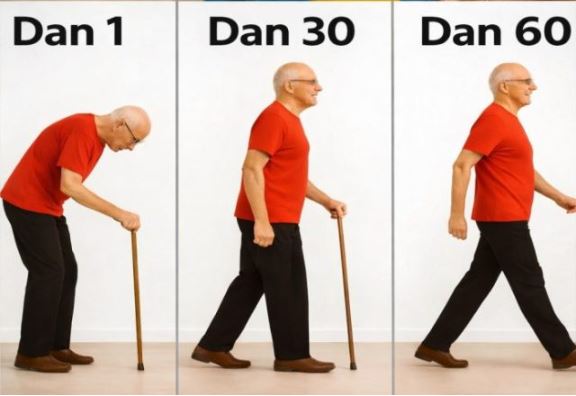
Getting older does not mean giving up strength, independence, or the ability to enjoy everyday activities. For many people over the age of 60, maintaining strong muscles, healthy joints, and good balance becomes one of the most important parts of aging well.
Many adults begin to notice small changes over time. Walking longer distances may become more tiring, getting up from a chair may require more effort, and everyday movements that once felt automatic can slowly become more challenging.
However, experts emphasize that the body has an incredible ability to adapt at almost any age. With the right combination of movement, nutrition, and healthy habits, older adults can support their muscles, improve stability, and regain confidence in their daily activities.
One of the most important factors linked with mobility and strength is maintaining healthy muscle mass. After the age of 60, the body naturally begins to lose muscle more quickly, but regular activity and proper nutrition can help slow this process.
Why Muscle Strength Becomes More Important After 60
Muscles do much more than help people move. They support balance, protect joints, improve posture, and help the body perform basic daily tasks.
As people age, a condition known as age-related muscle loss can gradually develop. This process can make movements more difficult and increase the risk of falls.
A weaker body does not happen overnight. It often develops slowly through years of reduced activity, poor nutrition, long periods of sitting, or recovering from illness.
The good news is that muscles can respond positively to exercise even later in life. Strength training, walking, stretching, and balance exercises can all contribute to better physical function.
Many older adults believe that intense workouts are necessary to become stronger, but experts often recommend starting with simple, consistent movements that match a person’s current abilities.
The Nutrients Your Body Needs to Stay Strong
Exercise is only one part of maintaining strength. The body also needs proper nutrition to repair and maintain muscles.
Protein is especially important because it provides the building blocks needed for muscle maintenance. Foods such as eggs, fish, poultry, beans, Greek yogurt, and nuts can help older adults meet their protein needs.
Vitamin D is another nutrient often discussed in relation to muscle function and bone health. Low levels of vitamin D may be associated with muscle weakness and reduced physical performance in some people.
Calcium, magnesium, and other essential nutrients also contribute to maintaining healthy bones and supporting movement.
Instead of focusing on one specific food or supplement, many experts recommend a balanced eating pattern that provides a wide variety of nutrients.
Simple Exercises That Can Improve Stability and Confidence
One of the biggest mistakes people make after 60 is avoiding movement because they are afraid of injury. While safety is important, staying inactive can lead to even greater loss of strength and mobility.
Simple exercises performed regularly can make a meaningful difference.
Walking remains one of the easiest ways to stay active. A daily walk can support circulation, endurance, and overall fitness.
Chair exercises can also be useful, especially for people who are beginning their fitness journey. Movements such as standing up and sitting down from a chair help strengthen the legs and improve everyday mobility.
Balance exercises, such as standing on one foot while holding onto a stable surface, can help train the body’s coordination and stability.
Light resistance exercises using bands or small weights may also help maintain muscle strength.
The key is consistency. Small efforts repeated regularly can create noticeable improvements over time.
Why Balance Is One of the Most Important Skills as We Age
Balance is often overlooked until problems appear. However, maintaining good balance is essential for independence.
A strong sense of balance helps people move safely around the home, climb stairs, walk outside, and perform daily activities with confidence.
Balance depends on several systems working together, including muscles, vision, nerves, and the inner ear.
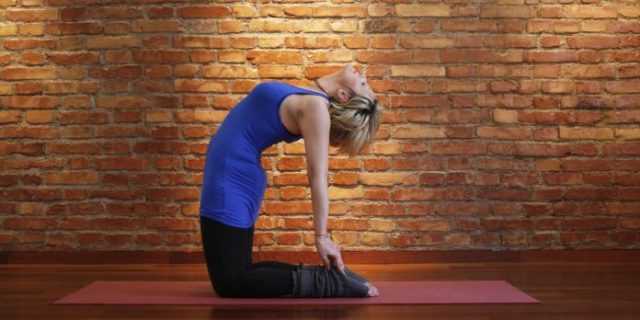
Activities such as yoga, tai chi, and specific balance exercises have become increasingly popular among older adults because they combine gentle movement with body awareness.
Improving balance is not only about preventing falls. It is also about helping people feel more confident and comfortable in their own bodies.
The Role of Daily Habits in Healthy Aging
Strength and mobility are influenced by everyday choices. Small habits practiced consistently can have a powerful effect on how a person feels years later.
Getting enough sleep allows the body to recover and supports overall health. Staying hydrated helps muscles and joints function properly. Spending time outdoors and maintaining social connections can also contribute to better physical and emotional well-being.
Another important factor is avoiding long periods of inactivity. Sitting for many hours each day can contribute to muscle weakness and stiffness.
Experts often encourage older adults to find enjoyable ways to move rather than viewing exercise as a chore. Gardening, dancing, walking with friends, and recreational activities can all support an active lifestyle.
It Is Never Too Late to Become Stronger
Many people assume that losing strength is simply an unavoidable part of aging. While some physical changes naturally occur over time, research shows that older adults can still improve their strength, endurance, and mobility.
A person who begins exercising at 65, 70, or even later can experience positive changes. The body continues to respond to healthy habits throughout life.
The most important step is starting at a safe level and gradually building progress.
A stronger body can mean more than physical ability. It can mean greater independence, more confidence, and the freedom to continue enjoying everyday experiences.
The Bottom Line
For adults over 60, protecting strength and mobility is one of the best investments they can make for their future health.
Regular movement, enough protein, proper nutrition, and simple exercises focused on strength and balance can help support the body and improve confidence while walking and performing daily activities.
Aging does not have to mean becoming less active. With the right habits, many people can continue building strength, improving stability, and enjoying a more independent lifestyle well into their later years