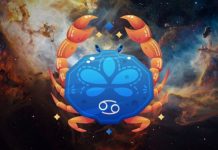
Friday the 13th does not ask permission before it enters your life, and for Cancer it arrives like a knock at the door you have been hearing in your sleep for weeks. This is not a day for pretending that fear is only a mood or that anxiety can be tucked neatly into a drawer. What comes now is more personal than dramatic: a moment when your private worries, unfinished conversations, and hidden expectations ask to be faced in the open.
Cancer is ruled by the Moon, which means your inner weather matters as much as any outside event. When the atmosphere turns tense, you feel it first in your body, then in your memory, then in the way you protect the people and places that matter most. A day like this does not only bring a fear to the surface; it reveals the shape your fear has taken over time. It may be about control, trust, emotional safety, or the worry that if you relax for even a moment, something important will slip away.
The energy around you now is less interested in punishment than exposure. That distinction matters. Exposure means what has been vague becomes visible. You may notice a pattern in someone’s behavior, a weakness in a plan, or a truth in yourself that has been waiting for the right pressure to rise. The feeling may be unsettling, but the insight is useful. If your biggest fear has always been disappointment, then the day may bring a chance to see exactly where disappointment begins: not in the ending, but in the silence before anyone speaks honestly.
The first sign is in the body before the story appears
Before the mind names the fear, the body usually votes first. You may feel restless, tired, overly alert, or strangely sentimental. That is typical of Cancer under pressure: your emotions do not arrive in neat sentences, but in sensations. A tight chest, a sudden urge to clean, a need to check on someone, or the feeling that you must prepare for bad news can all be part of the same pattern. The day does not begin with an event. It begins with your nervous system deciding that something matters.
If you have been ignoring small signs of stress, they are harder to overlook now. That can be uncomfortable, but it is also helpful. You are being asked to notice what you normally soothe, minimize, or carry silently for everyone else. Do you fear confrontation because it feels like abandonment? Do you fear change because it forces you to redefine safety? These are not trivial questions. For Cancer, they are the questions underneath every practical decision.
The advantage of this phase is that recognition comes early. You do not need to wait until a situation becomes impossible. If your instincts are flashing red, take them seriously without turning them into prophecy. Fear can exaggerate, but it can also alert. That difference is everything today.
What falls apart when avoidance has done its job for too long