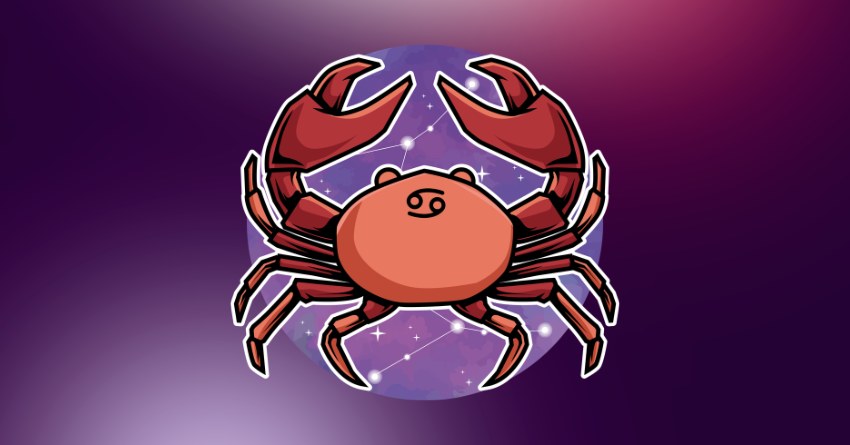
You may already feel it: one conversation has started to sound thinner, one invitation arrives with less warmth, one familiar bond no longer fits the shape of your days. For Cancer, that sensation is not imagination. It is the beginning of a quiet sorting process, and by the time 2026 closes, two people may have drifted out of your life for reasons that are impossible to ignore. What matters most is this: one departure will hurt, but the other will feel like a window opening in a room you forgot was sealed.
Cancer rarely ends a connection loudly. You tend to absorb disappointment, smooth over awkwardness, and give people one more chance than they have earned. That habit has protected you in the past, but it also means you can stay in a dynamic long after the emotional truth has changed. The coming stretch asks you to stop confusing familiarity with loyalty.
The disappearance described here is not always dramatic. In fact, the first sign is often silence. Messages become shorter, plans get postponed, and the effort starts flowing in one direction only. You may still be trying to preserve the connection while the other person has already stepped halfway out of it. Do you notice how often you are the one keeping the thread alive? That question matters more than any promise made months ago.
For Cancer, this is a deeply lunar lesson. Your instincts work in tides, not straight lines, so you feel shifts before you can explain them. When the emotional current changes, your body often knows before your mind is willing to admit it. The end of a bond can arrive as irritation, fatigue, or the strange relief of not having to pretend things are fine anymore.
The first disappearance: the person who feeds on your tenderness
One of the two people moving out of your life is likely to be the one who has quietly relied on your softness without learning how to protect it. This person may not look obviously cruel. They may even appear affectionate, sensitive, or wounded. But the pattern becomes clear when you examine the imbalance: they come to you for comfort, for patience, for understanding, and then vanish when you need the same care in return.
Cancer often gives people a deep sense of home, and not everyone deserves access to that feeling. Some people know how to lean on your emotional intelligence without ever offering structure, accountability, or reciprocation. Over time, you may notice that every conversation leaves you more tired than nourished. The bond begins to resemble a room with no fresh air in it. You can stay there, but your spirit will keep looking toward the door.
This departure may unfold through a blunt exchange, or it may be a slow fade after one too many moments in which you realize that your compassion has been mistaken for permission. If the relationship has been built on emotional dependency rather than mutual care, the loss may sting at first because it disrupts a role you have played for a long time. Yet even as you grieve it, you may feel something else underneath the grief: relief.
That relief is the hidden truth. You are not only losing someone; you are also losing a pattern in which your boundaries were treated as flexible and your needs were treated as secondary. Once the emotional fog lifts, you will see how much energy was being spent on keeping the peace. The peace, in this case, was costly.