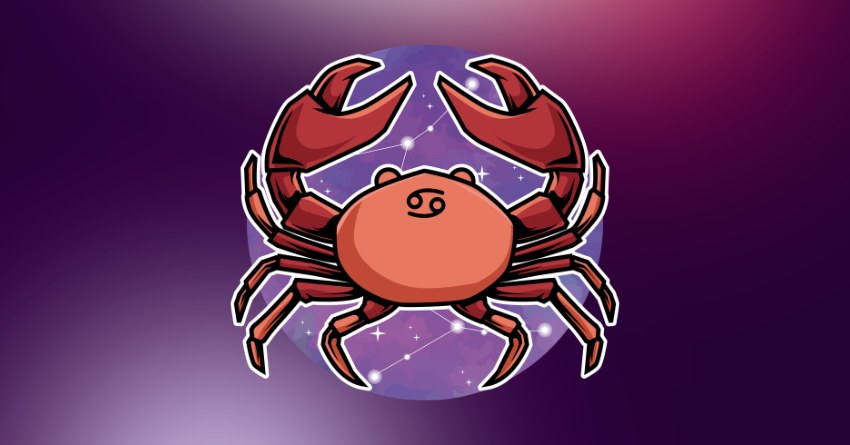
At work or in any serious obligation, the disruption may arrive as overload, confusion, or a sudden change in expectations. A task could expand. A deadline may shift. A role you accepted for security may begin to feel misaligned with your real capacity. Cancer is often loyal enough to stay too long in a setup that no longer fits, especially when others depend on your reliability. Yet the hidden trait that serves you now is discernment. You can tell when your effort is being absorbed by a system that has stopped respecting your limits.
That does not mean you should abandon every responsibility on impulse. It means you should evaluate what is genuinely yours to carry. A chaotic period often exposes where you have been functioning as the emotional glue, the quiet fixer, or the person who makes everything look seamless. Those roles can become traps when they prevent honest adjustment. If you have been overextended, the lesson is not to push harder. It is to renegotiate what is sustainable and what is simply expected because you have always made it work.
There is a useful form of courage here: naming the mismatch before it turns into resentment. Cancer often waits until care becomes obligation and obligation becomes quiet anger. This cycle gives you a better opening. If you speak early, you may prevent a collapse later. If you set the terms now, you can protect both your energy and your reputation. Chaos does not always destroy structure; sometimes it reveals that structure has been holding together only because you were overcompensating.
Why this disruption ultimately strengthens you
The deeper purpose of this period is not to unsettle you for sport. It is to sharpen your sense of what is real. Cancer can be so gifted at holding emotional layers that it sometimes tolerates ambiguity longer than is healthy. Chaos cuts through that fog. It shows you where you have been over-functioning, where you have been hoping instead of observing, and where your tenderness has been mistaken for unlimited access. That is not a punishment. It is a recalibration.
The strength you gain here is not the kind that makes you hard. It makes you precise. You learn the difference between being generous and being porous, between being patient and being stalled, between protecting a bond and protecting a fantasy. Those distinctions matter because they change what happens next. Once you stop using emotional labor to delay reality, your choices become cleaner. You may not control the disruption itself, but you can control how much of yourself it gets to consume.
There is also a quieter win in this cycle: you become harder to manipulate through guilt, urgency, or vague promises. When you have seen a pattern long enough, the pattern loses its power over you. That is where Cancer’s hidden resilience lives. It is not loud. It does not announce itself. It simply decides, with increasing calm, what it will no longer absorb. That decision changes everything.
Three small steps for you
If you want to move through this period well, keep your actions simple and deliberate. You do not need a grand reinvention. You need a clearer relationship with what is already happening.
- Notice the first sign of strain in your environment and write it down before you explain it away.
- Choose one boundary to make clearer, especially where you have been quietly compensating for someone else.
- Give yourself one honest pause before reacting, so you can tell the difference between fear and intuition.
What looks like upheaval may turn out to be the first honest draft of a better life, one that no longer depends on you carrying unspoken pressure in silence. If chaos is entering your world, it is exposing the places where your care has been too willing to do all the work. What part of your life feels most ready to be seen clearly now, and what would change if you stopped pretending it was still working?