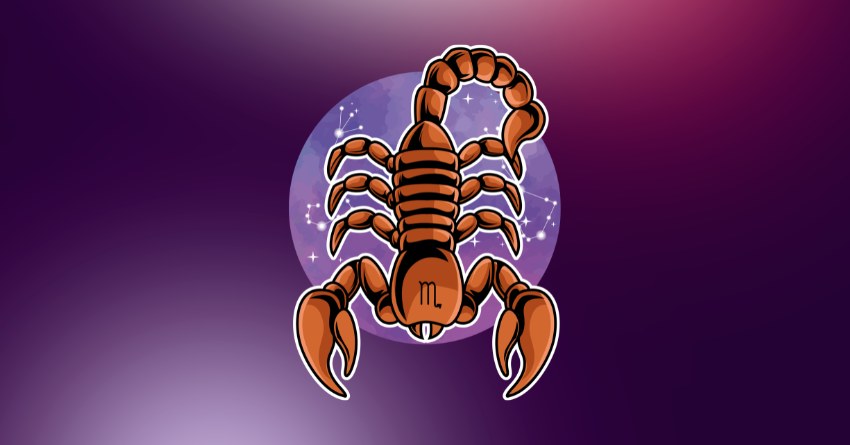
Scorpio often enters a season of private emotional weather before anyone else notices it. On the outside, you may look controlled, sharp, and even untouchable. Inside, however, there is usually a deeper story: a memory that still stings, a trust that had to be rebuilt, or a feeling you have been carrying so long that it has begun to feel like part of your name. This is not a sign that breaks easily, but when Scorpio is wounded, the wound can linger under the skin and change the way you approach everyone who comes close.
The part of you that never forgets
Scorpio’s emotional intelligence is famous, but what is less often understood is how much that intelligence is shaped by survival. You do not merely feel things; you read them, store them, test them, and remember where they hurt. That is why a broken heart does not disappear in your world just because time has passed. It becomes part of your instinct. You learn to protect the tender places by becoming harder to read.
This is where Pluto’s influence becomes so visible. Pluto rules transformation, exposure, and the uncomfortable truth that something must end before something real can begin. For Scorpio, love is rarely a light interest or a casual distraction. It is an encounter with depth. That is also why disappointment lands so deeply. When a bond fails, it does not only feel like loss; it can feel like a revelation about your own vulnerability.
But there is another side to this same pattern. Scorpio does not heal by pretending the pain never happened. You heal by making meaning from it. You become stronger when you stop treating the past like a locked room and start seeing it as a place that taught you how to recognize real care. That lesson is quietly active now, even if the process feels slow and private.
Why the heart stays guarded longer than the mind
Your mind may understand that not every old wound deserves a lifetime sentence, but your nervous system is not always so quick to agree. Scorpio keeps emotional receipts. You remember the tone, the pause, the moment someone changed without warning. That memory can make you cautious in new connections, even when the present person has given you no reason to fear them. This is not coldness. It is a deeply organized form of self-protection.
And yet, this period asks for a different kind of courage. Not the courage to dive, but the courage to wait. Not every feeling that arrives quickly is trustworthy, and not every connection that begins quietly is unimportant. Some of the most meaningful encounters enter through the side door of life. They do not demand attention. They simply remain present long enough for your defenses to grow tired of standing watch.