Dry meatloaf is often blamed on the oven. We assume it baked too long, the temperature was too high or the meat was too lean. Any of those things can matter, but the damage frequently begins several minutes earlier—inside the mixing bowl.
The most common mistake is working the meat mixture too aggressively.
When ground meat, salt and other ingredients are squeezed, kneaded and stirred for too long, the meat proteins bind tightly. That may be useful when making a springy sausage, but it is the opposite of what you want in a tender meatloaf. A tightly compacted loaf cooks into a dense structure that feels dry even when it still contains moisture.
The fix begins before you touch the beef.
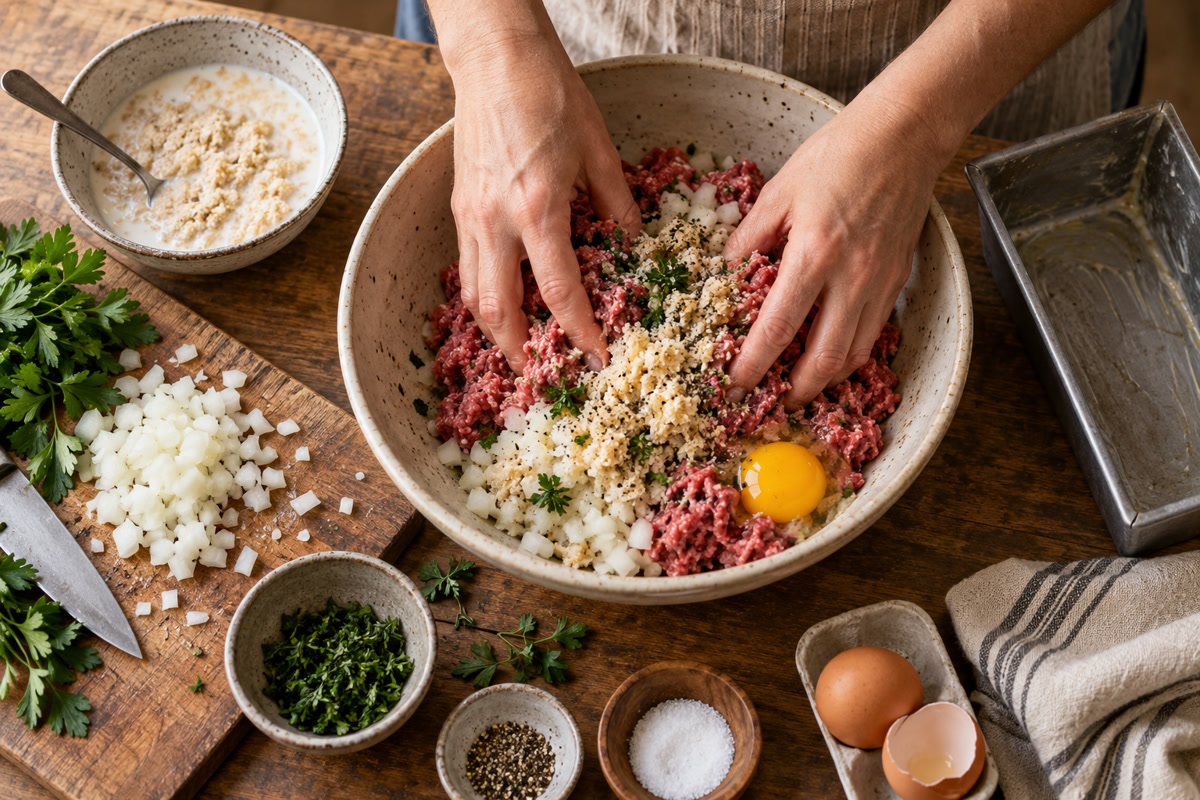
Make a panade first
A panade is simply starch softened with liquid. For meatloaf, combine breadcrumbs and milk and let them stand for about five minutes. The mixture distributes moisture throughout the loaf and helps keep the meat tender as it cooks.
For two pounds of ground beef, start with one cup of fresh breadcrumbs and about 3/4 cup milk. The crumbs should be thoroughly moistened but not swimming. Add one beaten egg, finely chopped or sautéed onion, salt, pepper and any seasonings your family likes. Mix those ingredients together before adding the meat.
This order matters. When the seasoning and binder are already evenly combined, the meat requires far less handling.
Use a light touch
Add the ground beef in loose pieces. With clean hands or two forks, lift and fold the mixture only until everything is distributed. Do not squeeze it through your fists or continue mixing until it looks perfectly smooth. A slightly uneven mixture produces a more tender result than a paste-like one.
Shape the loaf gently, too. Pressing it firmly into a tight brick removes the small air spaces that keep the texture light. A free-form loaf on a rimmed sheet pan develops more browned surface; a loaf pan creates softer sides and retains more juices. Either method works as long as the mixture is not packed down.
Do not guess when it is done
Overbaking can undo careful preparation, so use an instant-read thermometer rather than relying only on color. The U.S. Department of Agriculture recommends cooking ground beef to an internal temperature of 160°F. Check the center of the thickest part, then allow the meatloaf to rest for about ten minutes before slicing. Resting gives the hot juices time to settle instead of running onto the cutting board.
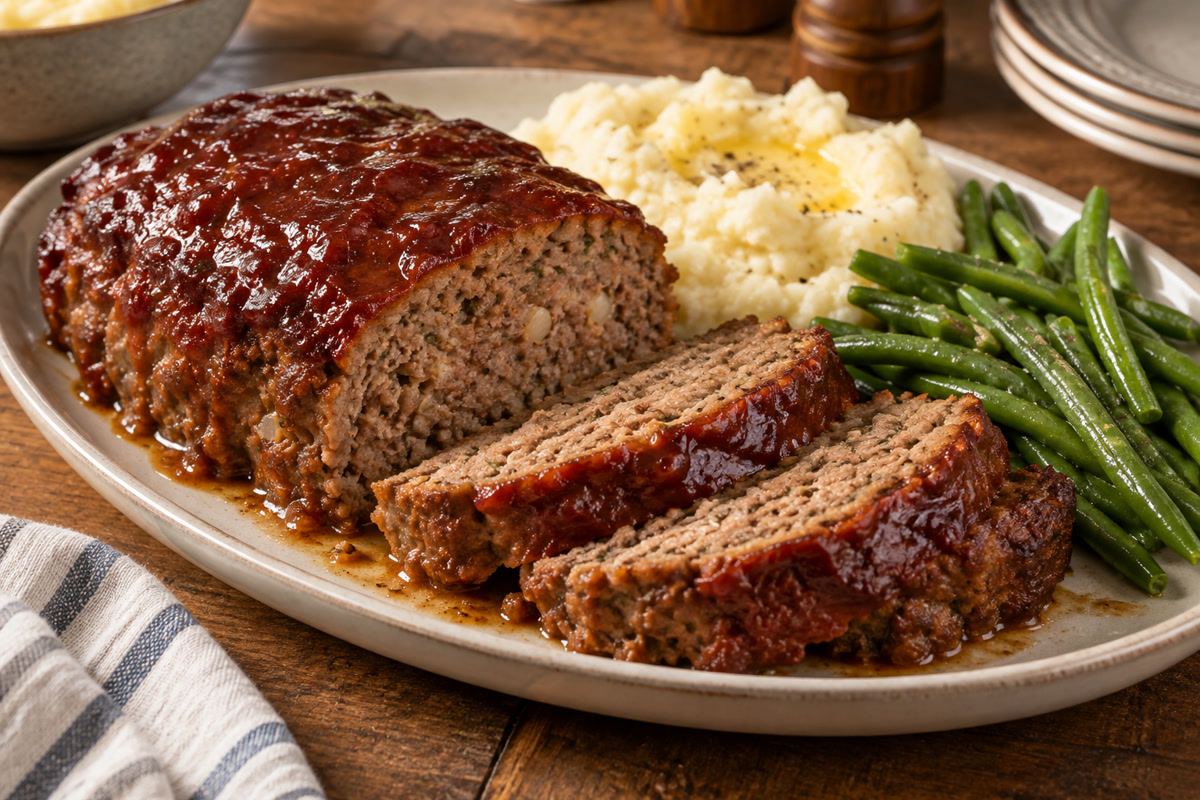
A simple glaze that protects the top
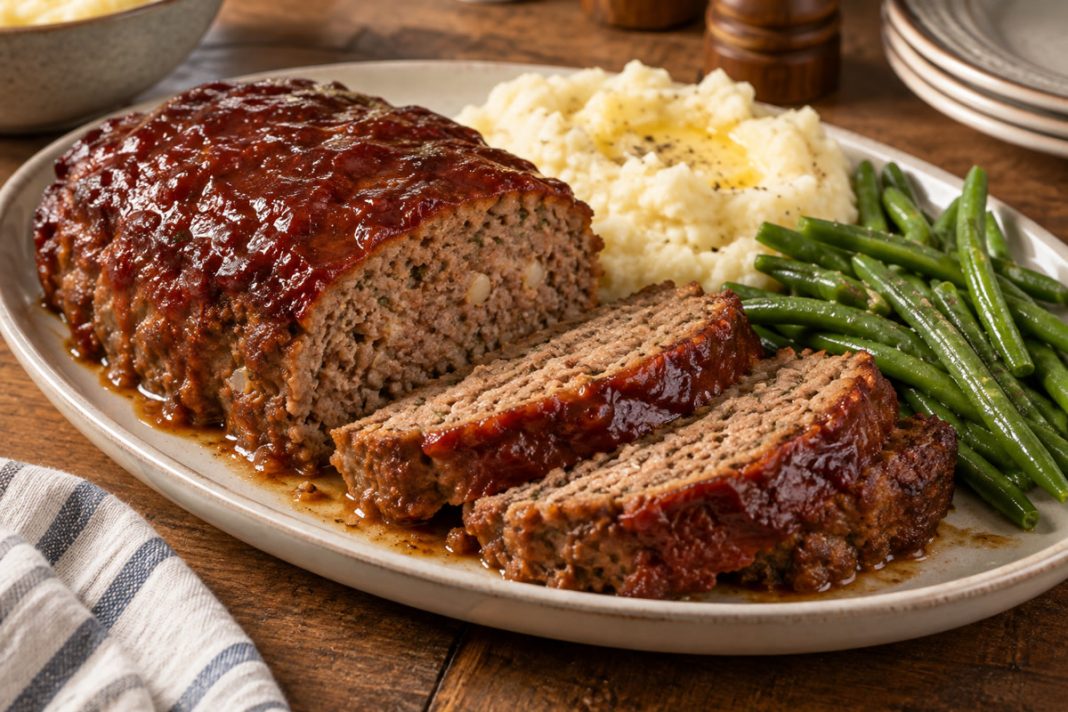
Stir together 1/2 cup ketchup, two tablespoons brown sugar and one tablespoon yellow mustard or apple cider vinegar. Brush half over the loaf before baking at 350°F, then add the rest during the final 15 minutes. The glaze adds the familiar sweet-tangy flavor and keeps the surface from becoming leathery.
Other reasons meatloaf can seem dry
Very lean beef contains less fat, so an 85/15 blend is often more forgiving than extra-lean meat. Large chunks of raw onion can also disrupt the texture and leak water unevenly; chop them finely or cook them briefly before mixing. Finally, slicing the loaf the moment it leaves the oven allows more juice to escape.

But if you change only one habit, change the way you mix. Prepare the wet ingredients and binder first. Add the meat last. Fold gently and stop sooner than you think you should.
Good meatloaf should hold a clean slice without eating like a solid block. It should be tender, savory and moist enough that the glaze feels like a finishing touch rather than a rescue operation. That result is decided not only by how long the loaf spends in the oven, but by what your hands do in the bowl before the oven door ever opens.