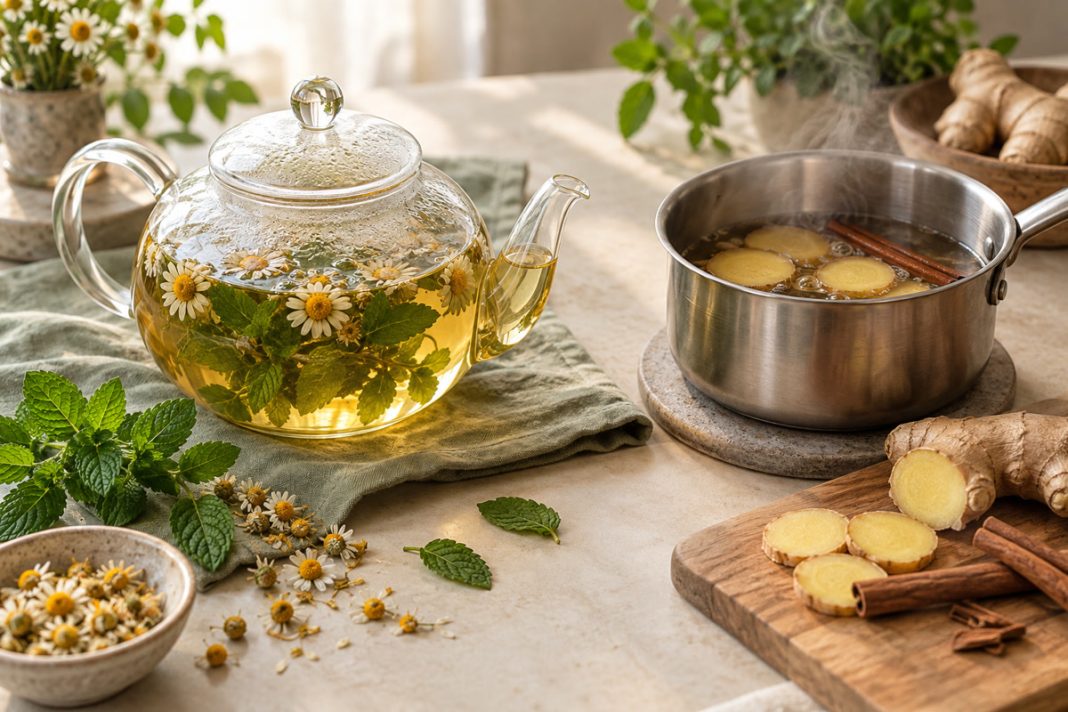
YOU MAY BE BREWING YOUR HERBS WRONG. STEEP OR SIMMER?
Many people prepare every herb the same way: put it in a cup, pour in boiling water and wait a few minutes. That works well for some plants, but not for all of them. A fragile chamomile flower and a dense piece of cinnamon bark do not release their aromatic and water-soluble compounds in exactly the same way.
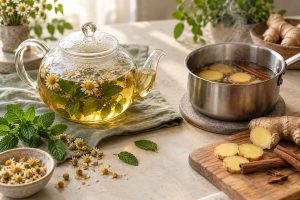
The basic difference is simple. Delicate plant parts are usually prepared as an infusion. Tougher plant parts are often prepared as a decoction. Knowing which method to choose can improve flavor, reduce waste and help you follow a product’s intended preparation.
These are general kitchen guidelines—not medical dosing instructions. The correct plant identity, product directions and personal safety considerations always come first.
Infusion: best for many leaves and flowers
An infusion is the method most people recognize as making tea. Hot water is poured over the plant material, the container is covered and the herbs are allowed to steep before straining.
Leaves and flowers are relatively delicate. Peppermint, lemon balm and chamomile are common examples. Covering the cup or teapot matters for aromatic herbs because some of their fragrant compounds can escape with steam.
A practical starting method is to place the herb in a heat-safe cup, add hot water, cover and follow the time and quantity printed on the product. Many commercial herbal teas recommend five to ten minutes, but the label should take priority. A longer steep may create a stronger or more bitter drink; it does not automatically make it “more medicinal.”
Decoction: useful for tougher roots, bark and hard seeds
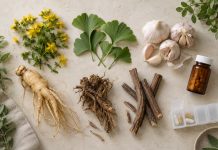
A decoction uses gentle simmering rather than a short steep. It is commonly used for dense plant parts such as roots and bark, which take more time for water to penetrate.
Sliced ginger and cinnamon bark are familiar examples. Place the prepared plant material in a small saucepan with water, bring it just to a boil, then reduce the heat and simmer gently with the lid partly on. Product-specific directions should determine the amount and time; a common culinary range is roughly 10 to 20 minutes.
Hard seeds may benefit from being lightly crushed before preparation. Fennel seeds, for example, can be crushed and steeped, while some stronger blends may direct the user to simmer them. Grinding everything into powder is not always better: very fine material can produce a cloudy, harsh drink and may be difficult to strain.
The plant part matters—but it is not the only rule
“Leaves steep, roots simmer” is a useful memory aid, not a law. Thinly sliced fresh ginger can make a flavorful infusion, while a longer simmer produces a stronger, spicier drink. Some aromatic roots or seeds may lose desirable volatile compounds if boiled aggressively. Blended products may contain both delicate and tough ingredients and should be prepared according to their own instructions.
Temperature matters too. Fierce boiling can flatten the aroma of flowers and leaves. Gentle heat and a covered container are usually more appropriate. Use clean equipment and fresh water, and discard a preparation that develops an unusual smell, film or appearance after storage.
What about a cold infusion?
Some plant materials are prepared in cool or room-temperature water over a longer period. This technique is often used when the desired components are sensitive to heat or when the plant contains soothing, slippery mucilage. However, cold preparations require careful handling because room-temperature water does not control microbes the way heat can.
Use a clean covered container, follow a trusted product’s directions, refrigerate when instructed and do not keep homemade preparations indefinitely.
Three things that do not automatically belong in your teapot
First, essential oils are highly concentrated and are not interchangeable with the leaf, flower or peel from which they came. Do not add an essential oil to a drink unless the product is specifically labeled for that use and a qualified professional has confirmed it is appropriate.
Second, never brew an unidentified wild plant. Similar-looking species can have very different safety profiles.
Third, do not assume more herb, hotter water or longer cooking means a better result. It may only create a stronger taste—or an unnecessarily concentrated preparation.
A safer five-question check
Before brewing, ask: Do I know the exact plant and plant part? Is the product intended for oral use? Does the label recommend steeping or simmering? Could it conflict with my medications or health conditions? Is it appropriate during pregnancy, breastfeeding or for children?
Good herbal preparation begins before the water gets hot. Identify the plant, choose the method that fits the material and treat “natural” products with the same care you would give any other active ingredient.
This article is for general education and does not provide medical dosing or treatment advice.